
How to Choose the Best Lice Treatment in Ventura
Did you know that an estimated 6-12 million children between ages 3-11 deal with head lice annually in the United States? That’s roughly one in every classroom across America, including here in Ventura County. Finding those tiny unwanted guests in your child’s hair can trigger immediate panic and confusion.
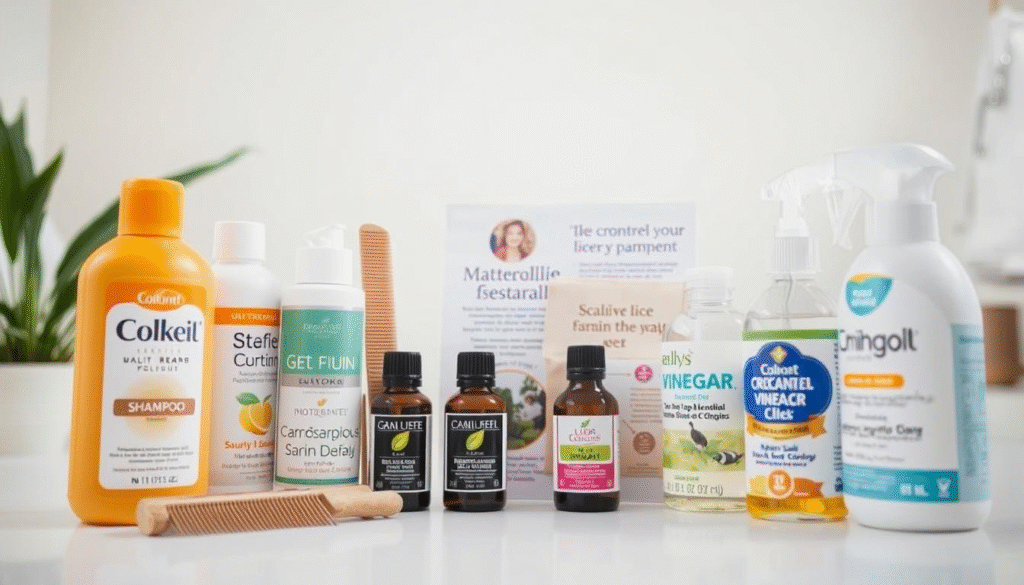
Selecting the right solution amid dozens of options feels overwhelming for many Ventura families. The shelves lined with over-the-counter products make big promises, while professional services offer different approaches and success rates.
We understand the stress that comes with these persistent parasites. The disruption to your family routine, the worry about spread to siblings, and the frustration of potential reinfestation all compound the problem. That’s why we’ve created this straightforward guide.
Our goal is to help you navigate both retail remedies and specialized services like those offered by Lice Clinics 805. We’ll compare effectiveness, safety, convenience, and cost so you can make the best choice for your family’s specific situation.
Key Takeaways
- Head lice affect 6-12 million American children annually, making informed treatment choices essential
- Both over-the-counter and professional treatment options are available in Ventura County
- Treatment effectiveness varies significantly between different methods
- Safety considerations should be prioritized, especially for young children
- Professional services like Lice Clinics 805 offer specialized techniques not available in retail products
- Quick action helps prevent spread to other family members and classmates
Understanding Head Lice Infestations
For Ventura families, grasping the biology and behavior of head lice is key to finding effective treatments. When your child scratches their head after school, it’s natural to worry. Knowing about these parasites helps you identify, treat, and prevent future infestations.
What Are Head Lice?
Head lice are tiny, wingless insects that live on the human scalp. Known scientifically as Pediculus humanus capitis, they are about the size of a sesame seed when fully grown. Unlike what many think, lice don’t fly or jump. They crawl from one host to another through direct head-to-head contact.
These pests feed on small amounts of blood from the scalp. Contrary to popular belief, lice don’t discriminate – they infest clean hair as easily as unwashed hair. They have no preference for socioeconomic status, cleanliness, or hair type.
The Lice Life Cycle
Knowing the lice life cycle is vital for effective treatment. The cycle includes three stages: egg (nit), nymph, and adult louse. This cycle lasts about 30 days if untreated.
The cycle starts with female lice laying eggs, or nits, attached to hair shafts near the scalp. These nits are tiny (about the size of a knot in thread) and often appear yellowish or white. They’re cemented to the hair shaft, making them hard to remove.
After 8-9 days, the nits hatch into nymphs – immature lice that must feed on blood immediately to survive. These nymphs mature into adults in 9-12 days. Once mature, female lice can lay up to 6 eggs daily, quickly multiplying the infestation if not addressed promptly.
“Understanding that many lice treatments don’t kill eggs is essential knowledge for parents. This is why follow-up applications are typically necessary to break the lice life cycle completely.”
Common Signs and Symptoms
Spotting the signs of a lice infestation early is crucial for Ventura families. The most common symptom is intense itching of the scalp, especially behind the ears and at the neckline. This itching is due to an allergic reaction to lice saliva.
Many people also feel a disturbing sensation of something moving in their hair. This isn’t just your imagination – it’s the actual movement of lice. Children with infestations often become irritable and may have trouble sleeping due to increased itching at night.
The most definitive sign is seeing lice or nits in the hair. Adult lice move quickly and can be hard to spot, but nits are easier to identify. They appear as small, oval-shaped specks firmly attached to hair shafts, usually within ¼ inch of the scalp.
If you suspect a lice infestation, examine your child’s hair in bright, natural light. Using a fine-toothed lice comb can help separate the hair and make nits more visible. Pay special attention to the areas behind the ears, around the neckline, and at the crown of the head – these are favorite spots for lice to congregate.
The Impact of Lice Infestations on Ventura Families
Ventura families dealing with lice infestations face more than just physical symptoms. These tiny parasites disrupt daily routines, emotional well-being, and school attendance. Knowing these impacts helps families prepare and manage these unwelcome visitors.
Physical and Emotional Effects
The discomfort of a lice infestation is significant and ongoing. Those affected, especially children, experience intense itching, especially at night. This constant irritation can lead to:
- Broken skin from scratching, which can develop into secondary bacterial infections
- Disrupted sleep patterns causing fatigue and irritability
- Difficulty concentrating at school or work due to constant itching
The emotional toll of lice is also substantial. Children may face social stigma and embarrassment when peers discover they have lice. Despite the fact that lice infestations have nothing to do with cleanliness, outdated misconceptions persist.
Parents often feel overwhelmed and frustrated during a lice infestation. They experience a mix of emotions including:
- Guilt about not preventing the infestation
- Anxiety about treating it effectively
- Stress from the additional workload of treating the home and family
- Frustration with repeated infestations despite their best efforts
School Policies in Ventura County
Ventura County schools have updated their lice management policies. They now follow evidence-based guidelines from health authorities. Most schools have abandoned outdated “no-nit” policies that kept children out of school until every egg was removed.
Current school policies in Ventura County include:
- Confidential notification to parents when lice are detected in their child
- Allowing students to return to class after beginning treatment, rather than requiring complete elimination
- Classroom-wide notifications when multiple cases are identified
- Resources for parents about effective treatment options
These policies help reduce unnecessary school absences while addressing public health concerns. The American Academy of Pediatrics supports this approach, noting that head lice are not a health hazard or a sign of poor hygiene.
For Ventura families, understanding these policies helps navigate lice management. When a child can return to school quickly after beginning treatment, it minimizes educational disruption and reduces stigma.
Effective lice prevention strategies are crucial for families who have experienced infestations. Simple preventive measures can help avoid the discomfort, emotional stress, and logistical challenges that come with these parasites.
Over-the-Counter Lice Treatment Options
For many Ventura parents, the first step in dealing with head lice is over-the-counter treatments. These solutions offer quick relief from the common childhood problem. Knowing the options available at local pharmacies can guide parents through this stressful time.
Pediculicide Shampoos and Lotions
Pediculicide shampoos and lotions are the most common treatments. They contain ingredients like permethrin (in Nix) or pyrethrin with piperonyl butoxide (in RID and A-200). These products aim to kill lice by disrupting their nervous system.
Permethrin-based treatments are gentle on humans but deadly to lice. They stay active on hair for days, targeting newly hatched lice. Pyrethrin, derived from chrysanthemum flowers, also attacks lice’s nervous system but is washed out after use.
Proper application of these treatments is key. Many failures occur due to not following instructions. Treatments require dry hair, specific waiting times, and precise rinsing. A second application 7-10 days later is often needed to kill new lice.
When using pediculicide products, safety is paramount. They’re not for infants, and caution is advised for pregnant women and those with certain health conditions. Always read labels and consult a healthcare provider if unsure.
Manual Removal Tools
Manual removal tools are crucial in any lice treatment plan. The most essential tool is a quality nit comb. These combs are designed to remove lice and their eggs from hair shafts.
Nit combs vary in material and design. Basic plastic combs are cheap but may not catch all lice and eggs. Professional-grade metal combs, like the LiceMeister or Nit Free Terminator, are more effective at capturing even the smallest nits.
Effective nit combing requires patience and technique. Divide hair into sections and comb from scalp to ends. Check for lice and nits on a white tissue or paper towel after each stroke. Repeat every 2-3 days for two weeks to ensure all lice and nymphs are removed.
Many Ventura parents find combining a pediculicide treatment with nit combing yields the best results. Some use specialized kits that include combs, magnifying glasses, and hair clips to aid in the process.
Effectiveness of OTC Treatments
Over-the-counter treatments have long been recommended but their effectiveness is now questioned. Many lice populations have developed resistance to common chemicals, especially permethrin and pyrethrin.
This resistance is a big issue in Ventura County, where “super lice” resistant to traditional treatments have been found. A 2016 study showed resistant lice in 42 states, including California, making traditional treatments less effective.
Several factors can affect treatment success. Improper application and incomplete nit removal are common issues. Even a few surviving eggs can restart the infestation cycle.
If over-the-counter treatments fail, it’s time to seek professional help. If you’ve applied an OTC treatment twice and still see live lice, or if nits remain after thorough combing, professional services may be needed.
While OTC treatments are a good start, they may not fully resolve the issue, especially with resistant lice. Understanding their limitations helps parents decide when to seek professional help.
Professional Lice Treatment Services in Ventura
For families dealing with stubborn lice in Ventura, professional treatment services offer specialized expertise and advanced techniques. These methods often succeed where over-the-counter options fail. When DIY methods leave you frustrated or time-constrained, turning to experts can offer both relief and peace of mind. Professional services combine clinical knowledge with proven methodologies to ensure complete elimination of head lice and their eggs.
We understand that choosing professional help is a significant decision for many parents. The good news is that Ventura County offers several reputable options with varying approaches, price points, and convenience factors to match your family’s specific needs.
Available Professional Services
Ventura families can choose from three main types of professional lice treatment providers. Each offers distinct advantages depending on your situation and preferences.
Salon-based lice removal services provide treatment in dedicated facilities with specialized equipment. These establishments typically offer comfortable, private treatment areas and experienced technicians who focus exclusively on lice removal. The controlled environment allows for optimal lighting and thorough inspection.
Mobile lice treatment technicians bring professional expertise directly to your home. This option eliminates travel time and allows the entire family to be checked and treated in familiar surroundings. Mobile services are particularly beneficial for families with multiple affected members or those with transportation challenges.
Dedicated lice treatment clinics like Lice Clinics 805 offer comprehensive solutions using advanced technology. These specialized facilities combine medical expertise with innovative treatment methods that can dramatically reduce treatment time while increasing effectiveness.
“After trying multiple over-the-counter treatments without success, we visited a professional clinic. The difference was night and day—one thorough treatment and the problem was completely resolved. The peace of mind alone was worth every penny.”
A relieved Ventura parent
Professional treatment approaches vary significantly across providers. Traditional manual removal involves meticulous combing with specialized tools and products. This method is effective but time-intensive. Some clinics offer enhanced manual techniques with professional-grade combs and solutions not available over the counter.
More innovative approaches include the controlled heated air systems used by Lice Clinics 805, which dehydrate and kill both lice and eggs in a single treatment. Other providers may use enzyme-based solutions or specialized equipment that streamlines the removal process.
Cost Comparison
The cost of professional lice treatment in Ventura varies based on several factors. Understanding the pricing structure helps families make financially sound decisions while ensuring effective treatment.
| Service Type | Average Cost Range | Treatment Duration | What’s Included | Follow-up Services |
| Salon-Based Services | $100-$175 per person | 1-2 hours | Manual removal, treatment products | Often charged separately |
| Mobile Technicians | $150-$225 per person | 1-3 hours | In-home service, initial products | Sometimes included |
| Dedicated Clinics | $175-$250 per person | 30-90 minutes | Advanced technology treatment, take-home kit | Usually included in package |
| Family Packages | $300-$500 | Varies | Treatment for multiple family members | Typically included |
When comparing costs, it’s essential to understand what’s included in the quoted price. Some providers advertise lower initial rates but charge extra for follow-up visits or additional family members. Others offer all-inclusive packages that may seem more expensive upfront but provide better overall value.
Additional charges might include take-home products, preventative treatments, or household cleaning recommendations. We recommend asking for a detailed breakdown of costs before committing to any service.
Insurance Coverage for Lice Treatment
Many Ventura families wonder if their health insurance will cover professional lice treatment. The answer varies depending on your specific plan and provider. Some insurance companies classify lice treatment as a medical necessity, particularly for severe or persistent cases.
Health insurance coverage typically depends on whether the treatment is prescribed by a physician. Some plans may cover part of the cost if you obtain a prescription or referral from your pediatrician. PPO plans generally offer more flexibility than HMO plans for these specialized services.
To determine if your insurance covers lice treatment, we recommend:
- Calling your insurance provider’s customer service line
- Asking specifically about CPT code 99199 (miscellaneous healthcare services)
- Inquiring about any required pre-authorization
- Checking if your plan covers out-of-network specialists
For reimbursement purposes, professional lice treatment clinics can provide detailed receipts with appropriate medical coding. Some clinics also offer superbills that contain all the information insurance companies require for processing claims.
Families without insurance coverage still have options to make treatment more affordable. Many Ventura lice treatment providers offer payment plans that allow you to spread the cost over several months. Some clinics provide sliding scale fees based on household income or special discounts for multiple family members.
Local community resources occasionally offer financial assistance for families facing hardship. School nurses and pediatricians may know of available programs or can direct you to affordable treatment options. Some clinics also participate in seasonal promotions or back-to-school specials that can reduce costs.
When weighing the financial aspects of professional treatment against DIY methods, consider the hidden costs of repeated over-the-counter treatments, missed work days, and the emotional toll of prolonged infestations. Professional services often provide faster resolution, potentially making them more economical in the long run.
Spotlight on Lice Clinics 805’s Unique Method
Lice Clinics 805 in Ventura County has introduced a groundbreaking method for lice treatment. Unlike traditional methods that require multiple applications and pose chemical risks, this clinic offers a novel approach. It combines advanced technology with proven expertise, providing a fresh solution for families.
Parents in Ventura are increasingly seeking reliable head lice removal services. They want solutions that guarantee results. Let’s delve into what sets Lice Clinics 805 apart from other options in our community.
The AirAllé Device Technology
The core of Lice Clinics 805’s treatment is the AirAllé device. This FDA-cleared medical device is designed to eliminate head lice and their eggs. Unlike chemical treatments, which lice can develop resistance to, the AirAllé takes a different tack.
The AirAllé uses heated air to dehydrate lice and their eggs. This method is based on science and is remarkably effective. It disrupts the lice’s moisture balance, effectively drying them out.
This technology is particularly beneficial for Ventura families. It’s effective against “super lice,” which have become common in our area. Traditional treatments often fail against these resistant pests, but the AirAllé’s dehydration method works regardless of resistance.
Treatment Process and Duration
At Lice Clinics 805, the treatment process is systematic and designed for maximum effectiveness and comfort. It typically takes about an hour, a significant time-saver compared to weeks of home treatments.
Your visit starts with a thorough head check and consultation. Trained technicians examine the hair to confirm lice presence and assess the infestation’s severity. This step ensures you receive the right treatment and sets a baseline for measuring results.
The AirAllé treatment follows. Technicians apply the device throughout the hair, ensuring complete coverage. The process is generally comfortable, feeling like a warm hair dryer. It kills approximately 99.2% of lice eggs in one treatment.
After the device application, technicians perform a thorough comb-out to remove any remaining debris. They then apply a topical rinse as a finishing step. The entire process takes about 60 minutes, allowing families to return to their normal activities without the disruption of traditional treatments.
Success Rates and Guarantees
Lice Clinics 805’s approach is reflected in their impressive success rates and confidence-inspiring guarantee policy. Clinical studies show the AirAllé treatment is approximately 99.2% effective in a single application. This is significantly higher than traditional chemical treatments.
The clinic stands behind their treatment with a 30-day guarantee. If live lice are found within 30 days, they’ll provide additional treatment at no extra cost. This guarantee reflects their confidence in their method and provides peace of mind for Ventura families.
Many local families have shared their relief after finding Lice Clinics 805. One Ventura mother reported: “After three weeks of trying various over-the-counter treatments with no success, we were desperate. Lice Clinics 805 solved our problem in a single visit. My daughter was back in school the next day, and the lice never returned.”
| Treatment Aspect | Traditional OTC Treatments | Lice Clinics 805 Method | Benefit to Families |
| Treatment Time | Multiple applications over 7-10 days | Single 60-minute treatment | Immediate return to school/work |
| Effectiveness | 60-80% (often less against super lice) | 99.2% in a single treatment | Higher confidence in results |
| Chemical Exposure | Contains pesticides (pyrethrins/permethrin) | No harsh chemicals, uses controlled heat | Reduced health concerns |
| Guarantee | Typically none | 30-day guarantee with free re-treatment | Peace of mind and value assurance |
For families facing persistent or severe infestations, Lice Clinics 805 offers a valuable investment. Their advanced technology, professional expertise, and guaranteed results address the physical, emotional, and practical challenges of lice infestations.
While the upfront cost may be higher than over-the-counter options, many parents find it cost-effective and stress-reducing in the long run. The time saved, elimination of repeated treatments, and confidence in complete resolution make professional treatment worthwhile.
Natural and Alternative Lice Remedies
In Ventura, a growing number of families are turning to natural and alternative methods to fight head lice. This shift reflects a broader trend toward holistic health solutions. Natural remedies appeal to parents worried about chemical exposure or those dealing with treatment-resistant lice.
These alternatives vary in effectiveness but are worth considering as part of a comprehensive lice management strategy. Let’s delve into some popular natural approaches and their scientific backing.
Essential Oil Treatments
Essential oils have become popular as potential natural lice deterrents due to their pleasant scents and natural origins. Several oils have shown promising results in studies, though their effectiveness varies.
Tea tree oil is one of the most researched essential oils for lice treatment. Its natural insecticidal properties may help kill or repel lice when properly diluted and applied. Lavender oil also offers a pleasant aroma while potentially disrupting the lice life cycle.
Other oils like eucalyptus, neem, peppermint, and clove are commonly used. They can be added to homemade shampoos or rinses when diluted correctly. A typical dilution ratio is 2-3 drops of essential oil per tablespoon of carrier oil.
When using essential oils, safety is paramount. Never apply undiluted essential oils directly to the scalp, especially on children. Important safety considerations include:
- Always perform a patch test before full application
- Avoid using on children under 2 years old
- Keep oils away from eyes, inside ears, and mucous membranes
- Discontinue use if irritation occurs
- Consult with a healthcare provider before use if pregnant or nursing
Suffocation Methods
Suffocation methods block the lice’s breathing pores, effectively smothering them. These treatments involve coating the hair and scalp with thick substances that stay in place for several hours.
Olive oil is a common household suffocation treatment. The process involves thoroughly coating dry hair with warm olive oil, covering with a shower cap, and leaving it on overnight. This method requires thorough washing afterward and diligent combing to remove dead lice and nits.
Coconut oil offers similar benefits with a pleasant scent and some antimicrobial properties. It’s easier to work with than olive oil. Like other suffocation methods, it requires complete coverage and extended contact time.
Other household items like mayonnaise and petroleum jelly are sometimes used, though they can be hard to remove. Commercial dimethicone-based products offer a more refined suffocation approach with easier application and removal.
Regardless of the suffocation method chosen, thorough nit combing remains essential. Even if adult lice are successfully smothered, unhatched eggs may survive and restart the infestation cycle if not physically removed.
Scientific Evidence for Natural Remedies
When evaluating natural lice remedies, it’s crucial to distinguish between anecdotal success stories and scientific evidence. The research landscape for natural treatments is still developing, with varying levels of support for different methods.
Essential oils have shown mixed results in clinical studies. Tea tree oil has the strongest evidence base, with some studies showing effectiveness rates between 40-80% when combined with combing. However, results vary widely based on application methods, concentrations, and the specific lice populations tested.
Suffocation methods have demonstrated some effectiveness in controlled studies, particularly those using refined products like dimethicone. Household oils show more variable results, with effectiveness heavily dependent on application thoroughness and duration.
It’s worth noting that many natural remedies require multiple applications and consistent combing to achieve results comparable to conventional treatments. The time investment can be significant, which is an important consideration for busy families.
| Natural Remedy | Application Method | Treatment Duration | Effectiveness Level | Safety Considerations |
| Tea Tree Oil | Diluted in shampoo or carrier oil | Multiple applications over 1-2 weeks | Moderate | Potential skin irritation, not for young children |
| Olive Oil | Applied to dry hair, covered overnight | 8-12 hours per treatment, repeat 3 times | Low to moderate | Generally safe, messy application |
| Coconut Oil | Applied to dry hair, covered for several hours | 6-8 hours per treatment, repeat weekly | Low to moderate | Generally safe, easier to remove than some oils |
| Dimethicone Products | Applied according to package directions | 8-10 hours, typically repeated after 7 days | Moderate to high | Non-toxic, but can cause scalp dryness |
| Wet Combing Only | Systematic combing with conditioner | 30-60 minutes every 3-4 days for 2 weeks | Moderate with persistence | Completely non-toxic, time-intensive |
While natural remedies appeal to many Ventura families, it’s important to maintain realistic expectations about their effectiveness. Some infestations, particularly those involving resistant lice strains, may ultimately require more conventional approaches or professional intervention.
For families committed to natural methods, combining approaches often yields the best results. For example, using essential oil treatments alongside thorough wet-combing can be more effective than either method alone. The key is consistency and thoroughness in application.
Comparing Lice Treatment Effectiveness and Safety
For Ventura families dealing with head lice, making an informed decision is crucial. It involves comparing treatment options based on their success rates, safety, and convenience. Understanding each approach’s merits can save time, money, and frustration.
Treatment Success Rates
Effectiveness is the top priority for most parents when evaluating lice treatments. Different methods offer varying success rates in eliminating these persistent parasites.
Over-the-counter products containing permethrin or pyrethrin typically show success rates of 60-80% in clinical studies. However, these rates have been declining in recent years due to the emergence of treatment-resistant “super lice” in Ventura County and throughout Southern California.
Prescription lice medications generally demonstrate higher efficacy rates. Products containing malathion can achieve up to 95% effectiveness, while newer options like spinosad (Natroba) and ivermectin (Sklice) report success rates of 85-95% in clinical trials. These medications work through different mechanisms that can overcome resistance issues.
| Treatment Type | Average Success Rate | Effective Against Resistant Lice | Number of Applications Needed |
| OTC Treatments | 60-80% | Limited | 2-3 (7-10 days apart) |
| Prescription Medications | 85-95% | Yes | 1-2 (depending on product) |
| Professional Services (AirAllé) | 99.2% | Yes | 1 |
| Natural Remedies | 40-70% | Variable | 3-5 (often weekly) |
Professional lice treatment services, particularly those using the AirAllé device at Lice Clinics 805, report the highest success rates. Clinical studies show the AirAllé treatment achieves a remarkable 99.2% effectiveness in a single session, making it significantly more reliable than other options, especially for resistant infestations.
Natural remedies show the most variable results, with success rates typically ranging from 40-70% depending on the specific method and consistency of application. While some families report good results with essential oils or suffocation methods, these approaches generally require multiple treatments and have less scientific validation.
Side Effects and Safety Concerns
Safety considerations are paramount when choosing a lice treatment, especially for young children. Each treatment category comes with its own set of potential concerns.
- OTC pediculicides: These chemical-based products may cause scalp irritation, redness, or itching. Some parents worry about exposing their children to neurotoxic pesticides, particularly with repeated applications.
- Prescription lice medications: While generally safe when used as directed, these treatments carry more significant warning labels. Malathion is highly flammable and contains high alcohol content. Newer medications like spinosad may cause skin irritation or eye redness.
- Heat-based professional treatments: The AirAllé device used at Lice Clinics 805 operates under strict safety protocols. The controlled application of warm air poses minimal risk compared to chemical alternatives, with occasional mild scalp warming being the most common side effect.
- Natural remedies: Though perceived as gentler, these can still cause allergic reactions, especially essential oils. Tea tree oil, for example, can trigger skin sensitization in some children.
For families with children who have sensitive skin, respiratory conditions like asthma, or previous reactions to topical medications, the non-chemical approach offered by professional heat treatment provides significant safety advantages.
Time Investment and Convenience
The practical aspects of lice treatment can significantly impact a family’s experience during an already stressful situation. Time requirements vary dramatically between treatment options.
OTC treatments typically demand the most time investment. The initial application can take 1-2 hours, followed by meticulous combing sessions. Most importantly, these treatments require repeat applications 7-10 days later to catch newly hatched lice, extending the process to nearly two weeks.
Prescription lice medications offer improved convenience, with some newer formulations requiring only a single application. However, they still necessitate obtaining a prescription, which means doctor visits and pharmacy trips that add to the overall time commitment.
Professional treatments at facilities like Lice Clinics 805 provide the most convenient solution for busy Ventura families. The entire process typically takes about 90 minutes and is completed in a single visit with no follow-up treatments required. This “one and done” approach minimizes disruption to school and work schedules.
Natural remedies generally demand the greatest time investment, often requiring multiple applications over several weeks, plus extensive combing sessions. While budget-friendly, these methods can extend the infestation period and increase the risk of spreading lice to other family members or classmates.
When weighing all factors—effectiveness, safety, and convenience—professional treatments like those offered at Lice Clinics 805 often provide the optimal balance for Ventura families. While they may have a higher upfront cost than some alternatives, the guaranteed results, single-treatment protocol, and non-toxic approach frequently make them the most cost-effective solution in terms of time saved and peace of mind gained.
Lice Prevention Strategies for Ventura Families
Implementing effective lice prevention strategies can save Ventura families time, money, and stress. While no method guarantees complete protection, combining several approaches significantly reduces the risk of head lice. Let’s explore practical prevention techniques for Ventura parents to incorporate into their family routines.
Daily Habits to Reduce Risk
Creating a lice-resistant environment begins with simple daily habits. Regular hair checks are your first line of defense against lice infestations, especially during outbreaks or after school notifications.
Children should avoid head-to-head contact during play, sports, and sleepovers. This direct contact is the primary way lice spread. During school photos, selfies, or movie nights, remind kids to maintain personal space.
Establish a “no sharing” policy for personal items that touch the head or hair. This includes:
- Hats, scarves, and hair accessories
- Brushes and combs
- Headphones and earbuds
- Pillows and sleeping bags
- Sports helmets and headgear
For families with long-haired children, keeping hair pulled back in braids, ponytails, or buns can reduce lice risk. This simple styling choice makes a significant difference in lice prevention.
Preventative Products
Several preventative products available in Ventura stores can complement your daily prevention habits. While scientific evidence varies, many Ventura families report success with these options as part of their routine.
Lice-repellent sprays containing natural ingredients like rosemary, tea tree oil, or menthol create an environment lice tend to avoid. These can be applied before school or activities where exposure risk is higher. Most repellent sprays need daily application to maintain effectiveness.
Preventative shampoos and conditioners offer another layer of protection. Products containing coconut oil, neem oil, or eucalyptus may help deter lice. These work best when used consistently as part of regular hair care.
For families seeking maximum protection, specialized lice combs can be used weekly as a preventative measure. Fine-toothed metal combs with closely-spaced tines are most effective for this purpose. Regular preventative combing can catch early infestations before they spread.
What to Do After Exposure
Despite your best prevention efforts, exposure to lice can still occur. When your child’s school reports a lice outbreak or after playdates with potentially infested children, taking immediate action is crucial.
Implement a post-exposure monitoring protocol that includes daily scalp checks for at least two weeks. Focus inspection around the ears, nape of the neck, and crown of the head—favorite spots for lice to congregate. Use a bright light and magnifying glass if available.
Preventative nit combing after known exposure can catch an infestation before it takes hold. Using a quality metal nit comb with lubricating conditioner, thoroughly comb through sections of hair every 2-3 days for two weeks following exposure.
Washing potentially exposed items in hot water (at least 130°F) and drying on high heat can kill any lice that might have transferred to clothing, bedding, or stuffed animals. Items that can’t be washed can be sealed in plastic bags for two weeks.
At the first sign of potential infestation—itching, visible lice, or nits—take immediate action. Early intervention with appropriate treatment methods prevents the infestation from spreading to other family members and classmates.
By combining these prevention strategies, Ventura families can significantly reduce their risk of dealing with full-blown lice infestations. Remember that consistency is key—occasional prevention efforts won’t provide the same level of protection as making these practices part of your regular routine.
Conclusion: Making the Right Lice Treatment Choice
Deciding on the best lice treatment for your family in Ventura involves several critical factors. The severity of the infestation, time constraints, budget, and your comfort with different methods are all key. These elements significantly influence your choice.
For mild cases, over-the-counter treatments combined with thorough combing might suffice. These methods are effective when lice are caught early and there’s time for multiple applications. Many Ventura families successfully manage minor infestations through these means.
However, for severe or stubborn cases, professional head lice removal services offer distinct benefits. The AirAllé treatment at Lice Clinics 805 provides a single, effective solution. It eliminates the need for repeated treatments often required with DIY methods.
Your family’s specific needs should dictate your choice. If multiple children are affected, time is limited, or other methods have failed, professional treatment could be more cost-effective and less stressful in the long run.
Early detection is crucial for any lice treatment’s success. Regular checks, especially during school outbreaks, can prevent widespread infestations in your home.
With the appropriate approach and resources, managing lice infestations can be done with minimal disruption. Ventura families have access to both quality over-the-counter products and top-notch professional services. These resources help families overcome this common childhood challenge.
FAQ
How do I know if my child has head lice?
Signs include intense scalp itching, especially behind the ears and at the neckline. You might feel something moving in your hair. Irritability and difficulty sleeping are also common. Look for visible lice or nits in the hair. Use a bright light and magnifying glass to check the scalp area where lice lay eggs.
Are over-the-counter lice treatments effective?
OTC treatments can work for some, but their success has dropped due to “super lice” in Ventura County. These products, like permethrin or pyrethrin, might need multiple uses. Always follow the directions and use a nit comb to get the best results.
How does the AirAllé treatment at Lice Clinics 805 work?
Our FDA-cleared AirAllé device uses heated air to kill lice and eggs in one treatment. It dries out lice and eggs without harsh chemicals. The treatment takes about an hour and includes a comb-out to remove dead lice and eggs. It offers over 99% success rate.
How much does professional lice treatment cost in Ventura?
Costs range from $150-$250 per person, depending on the provider and method. At Lice Clinics 805, our treatment includes the AirAllé device, comb-out, and post-treatment products. We offer family discounts and payment plans for Ventura families.
Does insurance cover professional lice treatment?
Some insurance might cover part of the cost, especially if prescribed by a doctor. Check with your insurance. At Lice Clinics 805, we provide detailed receipts for insurance claims or FSA/HSA reimbursement.
Are natural remedies effective against head lice?
Natural remedies like essential oils and suffocation methods show mixed results. They might need multiple applications and diligent combing. They’re better for prevention or mild cases, especially against resistant lice.
How can I prevent my child from getting lice?
Teach children to avoid head-to-head contact and not share personal items. Use preventative products with tea tree oil or rosemary. Regular scalp checks can catch infestations early. For frequent exposure, preventative combing once a week is recommended.
How long does lice treatment take to work?
Treatment times vary. OTC treatments need multiple applications 7-10 days apart and daily combing for 2-3 weeks. Our AirAllé treatment at Lice Clinics 805 works immediately in one hour. Natural remedies take the longest, with multiple applications and thorough combing.
Can lice jump or fly from person to person?
No, head lice cannot jump, fly, or hop. They spread mainly through direct head-to-head contact. They can also spread through shared items like hats or brushes, but this is less common.
What should I do if my child has been exposed to lice?
After exposure, monitor your child’s scalp every 2-3 days for two weeks. Use a bright light and magnifying glass, focusing on the scalp area. Consider preventative combing and washing items in hot water. Early detection is crucial to prevent infestation.
Are lice treatments safe for young children?
Safety depends on the treatment type. Chemical OTC treatments have age restrictions and contain pesticides. Our AirAllé treatment at Lice Clinics 805 is safe for children 4 and older. For young children, manual removal with wet-combing is safest, though it requires patience and precision.
What is the lice life cycle and why does it matter for treatment?
The lice life cycle includes egg, nymph, and adult stages, lasting about 30 days. Eggs hatch after 7-10 days, and nymphs become adults in about 7 days. Knowing this cycle is key because many treatments miss eggs. Our AirAllé method kills both lice and eggs, making it more effective.