
Head Lice Removal: A Parent’s Survival Guide for Back-to-School Season
Every year, about 12 million children in the United States get head lice. This means almost one in four classrooms will have an outbreak before winter break.
As school starts, parents worry about head lice. Finding out your child has lice can be scary and stressful.
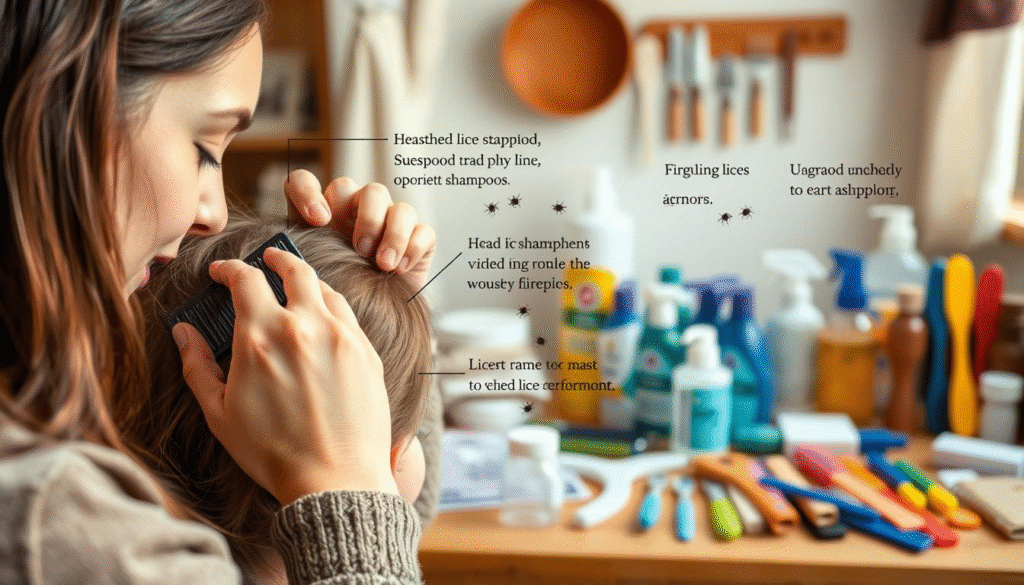
Our guide covers everything about head lice. We share evidence-based strategies that work for many families.
We offer practical ways to prevent and treat head lice. Our steps are easy to follow, making you feel ready. If needed, we explain how clinics like Lice Clinics 805 can help fast during outbreaks.
Key Takeaways
- Early detection and swift action are key for treating head lice
- Prevention strategies can lower the risk of infestations in schools
- Professional clinics offer special treatments during big outbreaks
- Systematic approaches help reduce stress for parents and kids
- Evidence-based methods are better than home remedies
- Knowing the life cycle helps parents find the right solutions
Understanding Head Lice: What Every Parent Needs to Know
Head lice infest millions of kids every year. But many parents don’t know much about them. We aim to give you the facts you need to tackle lice confidently.
Head lice are tiny, wingless bugs that live on human scalps. They feed on blood many times a day. But, lice can’t jump or fly. They spread only when people’s heads touch.
It’s important to debunk a big myth. Lice infestations have no link to how clean you are. They hit families of all incomes and backgrounds. Finding lice doesn’t say anything about your parenting or home.
Knowing how lice life cycles work is key to treating them. Adult lice live about 30 days on scalps. Female lice lay up to 10 eggs a day. These eggs, called nits, stick to hair near the scalp.
Nits hatch in 7 to 10 days under normal conditions. The new lice, called nymphs, grow into adults in another 7 to 10 days. This fast growth is why lice numbers can jump quickly.
| Lice Facts | Common Myths | Reality Check |
| Cannot jump or fly | Lice jump from head to head | Spread only through direct contact |
| Live 30 days on scalp | Survive weeks on furniture | Die within 24-48 hours off human head |
| Affect all social classes | Only affect “dirty” children | Hygiene plays no role in infestation |
| Lay 6-10 eggs daily | Multiply instantly | Take 7-10 days to hatch and mature |
To get rid of lice, you must kill both lice and nits. Missing nits can cause new infestations in weeks. That’s why thorough treatments are better than quick fixes.
Discovering lice can make you feel embarrassed, frustrated, or scared. These feelings are normal. But, remember, lice are a common childhood issue. With the right knowledge and treatment, families can overcome lice.
The secret to beating lice is understanding them and treating them carefully. With the right info on lice biology and behavior, you can choose the best treatment for your family.
Why Back-to-School Season Creates Perfect Lice Conditions
Back-to-school season turns classrooms into perfect places for head lice to spread fast. Students from different backgrounds gather closely in school. This close contact is what lice need to move from one child to another.
Classroom activities lead to lots of close contact. Kids lean together during group reading. On the playground, they hug, whisper, and play together, bringing their heads close.
The joy of seeing friends again means more hugs and close talks. These normal, healthy actions lead to many chances for lice to spread every school day.
Shared items like computer lab headphones or dress-up hats can sometimes spread lice. But, direct contact between people is the main way lice move.
Finding lice in schools is hard because symptoms may not show right away. By the time parents find out, their child may have already spread lice to many classmates.
Knowing how lice spread in schools helps families prevent them. It’s better to act early than to treat lice after they’ve spread.
When one student has lice, it can quickly spread to many others. This shows why stopping lice before they start is good for everyone in school, not just one family.
Pediatric Lice Prevention: Building Your First Line of Defense
Prevention is key in fighting head lice, and we have simple steps for families to follow. Effective pediatric lice prevention strategies create barriers to reduce transmission. They also help kids stay socially active without fear or stigma.
Our plan knows schools can’t avoid lice completely. We focus on lowering risks and being ready to act fast if lice appear. This way, kids can enjoy school and social activities safely.
Daily Hair Care Routines That Deter Lice
Good daily hair care is the first step in pediatric lice prevention. We suggest styling that keeps hair apart from others. Braids, ponytails, and buns help by reducing the area where lice can spread.
Using fine-toothed combs daily is key. It catches lice early and removes them. Make combing a part of your morning or bedtime routine.
Checking the scalp during bath time or styling is important. Look closely at the ears and neck, where lice often start. Regular checks help find lice early, when treatment works best.
How often you wash your hair helps too. Washing regularly keeps the scalp healthy and allows for checks. But, avoid daily use of lice shampoos to prevent scalp irritation.
Teaching Children Essential Prevention Habits
Teaching kids about pediatric lice prevention helps them help themselves. Tell them to avoid head-to-head contact during play. Explain why sharing pillows or hair items is risky.
Teaching kids not to share personal items is also important. Clear explanations about how lice spread help them make smart choices.
Focus on teaching prevention in a positive way. Frame these habits as ways to keep everyone safe, not as something to fear. This builds confidence and responsible behavior in kids.
| Prevention Habit | Age Group | Teaching Method | Expected Outcome |
| Avoid head contact | 3-6 years | Simple games and role-play | Natural spacing during play |
| No sharing personal items | 7-10 years | Explanation with visual aids | Independent decision-making |
| Report itching immediately | 11+ years | Open discussion about symptoms | Early detection and treatment |
| Proper hair styling | All ages | Daily routine integration | Reduced transmission risk |
Keep reminding kids about prevention to make it stick. Have weekly talks about lice prevention, but keep them positive and educational. This is important, like during back-to-school time when lice spread more.
School Communication and Awareness Strategies
Good communication at school helps everyone fight lice together. Encourage parents to talk with teachers about prevention. This keeps messages consistent at home and school.
Joining school prevention efforts helps protect everyone. Schools often have talks or send out materials at the start of the year. Being involved shows you care about keeping all kids safe.
Supporting school policies that focus on treatment helps too. This way, kids can go back to school after starting treatment. It keeps them safe and doesn’t make them feel left out.
Remember, privacy is key when talking about lice at school. Talk about prevention in general, not about specific kids. This builds trust and helps everyone work together to prevent lice.
Have a plan for when lice are found. Make sure there’s a clear way to report and get help. Quick action stops lice from spreading in the school.
Early Detection: Spotting Lice Before They Spread
Finding lice early is key to managing them. Early detection is the most critical factor in stopping lice from spreading in your family. Regular checks can save you from a lot of trouble and stress.
We use a mix of looking and observing to find lice early. Spotting lice early can turn a small problem into a big crisis.
Systematic Visual Inspection Methods
Examine your child’s scalp carefully with the right tools. Natural light is best for spotting these tiny pests that are only 2-3 millimeters long.
Divide the hair into sections to check the scalp well. Pay extra attention to the ears, neck, and crown. Lice like these areas because of the temperature and humidity.
Look for small, brown or gray bugs moving fast in the hair. Live lice are darker with blood and lighter without. They move quickly, so you need to search carefully.
Learn to tell nits from dandruff or hair product. Viable nits are clear or brown and stick to the hair close to the scalp. They can’t be brushed off like dandruff.
Identifying Behavioral Warning Signs
Behavioral changes are also important signs of lice. Kids might scratch more, have trouble sleeping, or complain about their scalp. These signs can show up before you see lice on the scalp.
Children often scratch in specific patterns, like around the ears and neck. They might also have trouble sleeping at night because lice are more active then.
Other signs include not wanting to do hair-related activities, feeling like something is moving in their hair, or scratch marks on the hairline. Listen to your child if they say their scalp hurts. They might notice lice before you do.
| Detection Method | Effectiveness Rate | Time Required | Best Conditions |
| Visual Inspection | 85-90% | 10-15 minutes | Natural daylight |
| Wet Combing | 90-95% | 15-20 minutes | Damp hair with conditioner |
| Behavioral Observation | 70-75% | Ongoing monitoring | Evening hours |
| Combined Approach | 95-98% | 20-25 minutes | Systematic weekly routine |
Acting fast can make treatment shorter and less stressful. Regular checks are a small effort for big health and peace of mind benefits.
Complete Head Lice Removal: Step-by-Step Treatment Guide
Dealing with lice can be tough, but a clear plan makes it easier. Our head lice removal method turns a big problem into a smaller one. It’s all about being ready, following a plan, and keeping up with care.
Think of treating lice like a medical task. You need the right setup, tools, and records. Being patient is key when you’re learning how to get rid of lice for good.
Preparing Your Treatment Area
Getting your treatment area ready makes everything smoother. Pick a bright spot with comfy seats for you and your child. Natural light is best, but a desk lamp works well too.
Have all your tools ready before you start. You’ll need nit combs, clips, a magnifying glass, and trash bins. White paper towels help spot lice and nits.
Make your child’s time more enjoyable with movies or games. A white towel on their shoulders catches any lice or nits.
Systematic Removal Process
Start by dividing hair into small parts for how to get rid of lice. Wetting the hair a bit helps with combing. It also stops live lice from moving.
Work from one side to the other, clipping off sections as you go. Focus on one area at a time. Clean your comb often on white paper towels.
The following table outlines the systematic removal timeline:
| Time Frame | Activity | Focus Area | Expected Duration |
| Day 1 | Initial Treatment | Complete head combing | 2-4 hours |
| Day 2-3 | Follow-up Check | Problem areas and hairline | 30-60 minutes |
| Day 7-10 | Final Verification | Entire head inspection | 1-2 hours |
| Day 14 | Completion Check | Spot checking all areas | 30 minutes |
Focus on areas where lice like to hide. The back of the neck, behind the ears, and the hairline need extra attention. These spots are perfect for lice to grow.
Keep track of your progress by noting what you’ve done. This helps you not miss any spots later. Marking done sections with hair chalk can be helpful.
Verification and Follow-Up Steps
Make sure to check for lice several times after treatment. Do this every 2-3 days at first, then once a week until you’re sure it’s gone.
Look for new lice during these checks. Young lice are smaller and lighter than adults. Use a magnifying glass to check closely.
Cleaning your environment is key to avoiding lice again. Wash everything in hot water over 130°F. If something can’t be washed, seal it in plastic for two weeks or dry it on high for 40 minutes.
Check everyone in your home during this time. Lice spread fast through contact. Catching it early stops big problems.
Keep checking for lice for at least a month after treatment. Regular head checks are part of your routine. Remember, treating lice is a long-term effort, not just one session.
Mastering Professional Nit Combing Techniques
Removing nits well needs a method that parents can learn. Professional nit combing techniques are the best way to get rid of lice for good. Many families feel lost when they first see lice, but with the right skills, it’s easier to handle.
Getting rid of lice takes patience, care, and the right steps. These nit combing techniques work well with or without chemicals. Our method makes sure no lice or nits are left behind.
Selecting the Right Tools
The first step in removing lice is to pick the right tools. Metal combs with closely-spaced teeth are better than plastic ones. Combs with teeth less than 0.3 millimeters apart are best, as wider spaces let nits fall through.
Good metal combs stay strong and grip well for removing nits. They should be smooth to avoid hair breakage but sharp enough to remove nits. It’s also helpful to have white tissue paper, a magnifying glass, and bright light for treatment.
Professional combs have ergonomic handles to reduce hand tiredness. Investing in quality tools is worth it, even for tough infestations or when treating many people.
Section-by-Section Combing Method
Our method divides the hair into sections for thorough coverage. Start by splitting the hair into four parts with clips or hair ties. This way, you cover every area without missing spots.
Then, split each quarter into strips about half an inch wide for a closer look. Work through each section carefully, combing from the scalp to the ends. Hold the comb at an angle to get better at removing nits.
After each stroke, clean the comb on white tissue paper to see if you’ve removed nits and lice. This stops them from getting back into your hair. It also lets you see how you’re doing and where you need to focus more.
| Combing Stage | Technique | Key Focus | Expected Results |
| Initial Pass | Firm pressure, scalp to ends | Remove live lice | Adult lice elimination |
| Detailed Combing | Multiple overlapping strokes | Nit detection and removal | Egg removal from hair shafts |
| Final Verification | Fine-tooth inspection | Complete clearance | No remaining parasites |
| Follow-up Sessions | Repeat every 3-4 days | Catch newly hatched lice | Break reproduction cycle |
Ensuring Complete Nit Removal
Getting rid of all nits takes a lot of effort because of the strong glue they use. Multiple passes through each section are needed to remove all nits. Being thorough is more important than being fast in lice treatment.
Pay extra attention to the areas behind the ears and at the back of the neck. Nits like to stay here because it’s warm. Professional nit combing techniques include checking these spots many times during each session.
Check each treated section under bright light or with a magnifying glass. Look for any oval-shaped nits close to the scalp. Brown or tan nits are eggs that need to be removed right away. White or clear nits might be empty shells but should be removed too.
We suggest doing follow-up combing every three to four days for two weeks. This catches any new lice before they can multiply. Using these techniques consistently can get rid of lice without chemicals. This is great for families who prefer natural methods or have lice that don’t respond to treatments.
Effective Lice Shampoo and Over-the-Counter Solutions
Over-the-counter lice products are easy to find and use for families dealing with lice. Many parents choose these solutions because they are convenient and work well. They are a good choice when you need to treat lice fast.
Today’s lice treatments are better than before. They fight both regular and resistant lice. Choosing the right product means knowing what’s in it, who can use it, and how to apply it. Think about what your family needs before you buy.
Popular Treatment Product Comparisons
Pyrethrin-based shampoos are popular for treating lice. They come from chrysanthemum flowers and kill lice by attacking their nervous system. Brands like RID and A-200 use pyrethrin as their main ingredient.
Permethrin treatments are synthetic and last longer. Nix, for example, keeps working for up to two weeks. Permethrin-based solutions usually need only one treatment to get rid of lice.
Newer treatments include benzyl alcohol-based products like Ulesfia. These suffocate lice instead of using neurotoxins. They are good for families looking for non-pesticide options.
- Pyrethrin products: Natural origin, requires two treatments, suitable for children over 2 years
- Permethrin treatments: Synthetic formula, often single-use, residual protection
- Benzyl alcohol solutions: Non-pesticide approach, prescription strength available
- Dimethicone-based products: Physical action, suitable for sensitive scalps
Application and Safety Guidelines
Using lice shampoo correctly is key to success and safety. Always read the instructions before starting treatment. Each product has its own best way to use it.
Before treatment, hair should be dry. Wet hair makes the treatment less effective. Remove hair accessories and make sure the area is well-ventilated.
How long you apply the treatment varies by product. Never go over the recommended time, as it can cause irritation without helping. Use a timer to keep track.
Be careful with sensitive skin. Do a patch test 24 hours before full treatment. Watch for signs of an allergic reaction like redness, itching, or swelling.
- Conduct patch test 24 hours prior to treatment
- Apply to completely dry hair in well-ventilated area
- Follow exact timing instructions on product label
- Rinse thoroughly with warm water after treatment
- Use fine-tooth comb to remove dead lice and nits
Managing Treatment Resistance
Resistance to lice treatments is becoming more common. Some lice have become immune to pyrethrin and permethrin treatments. This means you need to change your approach.
Switching between different treatments can help. If pyrethrin doesn’t work, try benzyl alcohol or dimethicone. Using chemical treatments with mechanical removal boosts success.
Keep an eye on how well the treatment is working. Check for live lice 24 to 48 hours after treatment. If you see lice, the treatment didn’t work and you need to try something else.
If treatments don’t work, get professional help. Prescription-strength treatments or special protocols might be needed. Seeking professional advice after two failed treatments is wise.
To prevent resistance, finish all treatments and clean the environment. Don’t overuse treatments, as this can make lice resistant without helping.
Natural Head Lice Remedies: Safe Alternatives for Families
Parents are looking for gentle ways to treat head lice. They often choose natural head lice remedies for young kids, pregnant women, or those with sensitive skin.
These natural options are better for the environment and less harsh. But, they take more time and patience than chemical treatments.
Evidence-Based Natural Treatments
We focus on natural head lice remedies backed by science. Some natural methods can get rid of lice when done right.
Olive oil suffocation method coats lice, blocking their air. Use lots of olive oil on dry hair, cover with a cap, and leave for eight hours or overnight. Then, comb out the dead lice and nits.
Mayonnaise works in a similar way. It suffocates adult lice and makes nits easier to remove. Use full-fat mayonnaise for at least four hours under a cap.
White vinegar rinses help loosen nits from hair. Mix equal parts water and vinegar, apply after shampooing, and let sit for five minutes before combing. It’s best as a supplement, not alone.
Essential Oil Applications and Effectiveness
Studies show some essential oils can fight head lice. Tea tree oil kills lice and loosens nits when diluted right.
Here are some effective essential oil blends:
- Tea tree oil blend: Mix 2-3 drops with one tablespoon of carrier oil
- Lavender oil treatment: Combine with coconut oil for added suffocation effect
- Eucalyptus oil application: Dilute properly to prevent scalp irritation
- Rosemary oil mixture: Shows repellent properties in research studies
Proper dilution ratios are key for essential oil safety. Never apply undiluted oils to the scalp to avoid irritation or allergic reactions.
Essential oil treatments work best when left on hair for 30-60 minutes under a cap. Then, use a fine-toothed metal comb for nit removal.
We recommend combining natural remedies with a complete treatment plan. This includes cleaning the environment and checking family members. No single natural remedy can get rid of lice completely without mechanical removal.
Natural treatments often need repeated use over weeks. Watch for progress and be ready to repeat treatments for full lice removal.
Environmental Lice Infestation Solutions
Your home is the last battle in getting rid of lice for good. Lice can’t live more than 24-48 hours without a host. So, we need to clean our environment to make sure they’re gone for good.
Lice need human blood to survive, making our cleaning job easier. We focus on cleaning areas where lice might hide. This way, we treat your home without causing unnecessary worry.
Complete Home Sanitization Protocol
We start by finding high-risk areas where people rest their heads. Bedding, pillows, and furniture get top priority. These spots need quick attention after finding lice.
Hot water washing is the best way to kill lice in fabrics. Wash all bedding and clothes in water over 130°F. This kills both adult lice and their eggs.
After washing, use high-heat drying for at least 40 minutes. This double-heat method kills any lice left. Items that can’t handle hot water should be dry-cleaned or treated differently.
For items that can’t be washed, seal them in plastic bags for 2-3 days. This is longer than lice can survive without a host. Freezing items for 8 hours also works by shocking them with cold.
Treating Personal Items and Living Spaces
Personal grooming items need special care. Soak hair brushes, combs, and accessories in hot water (130°F) for 10 minutes. Rubbing alcohol is a good alternative for items that can’t handle heat.
Replace hair accessories that can’t be cleaned well. This includes fabric hair ties and decorative clips. It’s cheaper than dealing with lice again.
Vacuuming is key in our treatment plan. Focus on furniture, car seats, and carpets where people rest their heads. Pay extra attention to headrests, pillows, and favorite spots.
The table below shows our recommended treatment schedule for different items:
| Item Category | Treatment Method | Temperature/Duration | Alternative Option |
| Bedding & Clothing | Hot Water Wash | 130°F + High Heat Dry | Dry Cleaning |
| Hair Accessories | Hot Water Soak | 130°F for 10 minutes | Rubbing Alcohol |
| Stuffed Animals | Plastic Bag Isolation | 2-3 days sealed | Freezer 8 hours |
| Upholstered Items | Thorough Vacuuming | Focus on head contact areas | Steam Cleaning |
Preventing Reinfestations
Stopping lice from coming back needs constant watchfulness but shouldn’t stress you out. We check regularly but avoid over-cleaning, which is costly and not effective. Our approach balances risk management.
Talking to schools and activity centers helps spot new lice risks. Parents should stay updated on lice outbreaks. This way, we can act fast to prevent problems.
Regular hair checks are part of our family health routine. Check hair weekly during high-risk times, like back-to-school or after sleepovers. These checks should be thorough but not scary for kids.
Keeping your environment clean is important but don’t overdo it. Stick to regular vacuuming and good hygiene. But, avoid daily deep-cleaning that’s stressful and expensive.
Our solutions show that treating your environment is part of the fight against lice. Combining proper head treatment with environmental cleaning gets rid of lice for good. This keeps your home safe from future infestations.
Professional Lice Treatment: When to Call the Experts
Professional lice treatment services offer specialized help that turns tough infestations into easy fixes. We know some cases need more than home remedies. Complex infestations, treatment-resistant lice, and time constraints often mean families need expert help.
When schools have big outbreaks, places like Lice Clinics 805 are key. They quickly help stop the spread. Families get same-day appointments for quick relief.
Choosing professional help often comes after home treatments fail. We know many lice treatment options exist. But, experts give guaranteed results. Trained technicians find strains that home products can’t beat.
Specialized Clinic Advantages
Lice clinics offer big benefits that home treatments can’t match. Advanced diagnostic equipment spots tiny nits parents might miss. High-powered tools find hidden infestations in tough spots.
These clinics have trained pros who know lice well. They can tell if it’s a real infestation or old debris. Comprehensive family screening services check everyone in the house.
These clinics are clean and safe, preventing bugs from spreading. They follow strict rules to keep everyone safe. Medical-grade tools remove lice better than home combs.
“Professional lice treatment saved our family weeks of stress and multiple failed attempts at home removal. The expertise and guarantee made the investment worthwhile.”
Parent testimonial from satisfied client
Expert technicians spot super lice that common treatments can’t handle. They know which treatments work best for each case. Customized treatment plans meet each family’s needs.
Professional Treatment Process
Professional treatment starts with a full check of everyone in the family. Trained techs use special lights and tools to examine scalps. Detailed documentation tracks how bad the infestation is and how treatment is going.
The removal process follows a proven plan to get rid of all lice and nits. Techs work section by section through each person’s hair. Multiple quality checks make sure no bugs are left behind.
Families learn how to prevent lice during their visit. Staff teach hair care tips to lower future risks. Follow-up appointments offer extra checks and peace of mind.
| Treatment Phase | Duration | Professional Actions | Family Benefits |
| Initial Assessment | 15-20 minutes | Complete scalp examination with magnification | Accurate infestation diagnosis |
| Active Treatment | 60-90 minutes | Systematic lice and nit removal | Guaranteed elimination results |
| Verification Check | 10-15 minutes | Final inspection and documentation | Confirmed treatment success |
| Education Session | 10-15 minutes | Prevention guidance and follow-up planning | Long-term protection strategies |
Professional treatment includes aftercare tips to avoid future problems. Techs give specific advice on cleaning. Support services are available for any questions or worries after treatment.
Investment Value Analysis
Professional lice treatment costs vary based on family size and how bad the infestation is. At first, it might seem more expensive than store-bought products. But, guaranteed results and saving time make it worth it for busy families.
Failed home treatments can cost a lot over time. Professional services stop this cycle of spending and worry. Single-visit resolution saves work days and school absences, which helps the family budget.
The peace of mind from professional treatment is priceless. Families avoid weeks of worry and doubt about treatment success. Peace of mind comes from knowing experts have solved the problem.
Professional clinics offer many lice treatment options to fit different budgets and needs. They have payment plans and family packages. Insurance coverage might also help lower costs.
We highly recommend professional help for families with many affected members or past treatment failures. Time-constrained parents get fast, guaranteed results. The whole family gets the care and education they need.
Success Stories: How Local Families Won Their Lice Battles
We’ve seen many families win their battles against head lice. They used various lice treatment options for lasting results. Their stories show that there are effective solutions for every family.
Local families have shared their battles to help others. They talk about different ways to win, from professional help to home treatments. Their stories prove that with the right approach, you can beat head lice.
Professional Intervention Success
A local family found head lice in their kids on a Sunday evening. Panic set in as school was the next day. They quickly called a professional lice clinic.
The clinic treated them in just two hours. The kids went back to school the next day, feeling confident. They avoided missing school and spreading lice in the classroom.
Another family fought recurring lice for months with store-bought products. They found out they had treatment-resistant lice. Professional help solved their problem for good.
Home Treatment Victory Stories
Some families won with home treatments. One family used nit combing and natural remedies for 14 days. Their hard work paid off, and they got rid of the lice.
They followed a strict routine of combing and oil treatments. Every single nit was removed with careful attention. After two weeks, they celebrated their victory.
Another family learned to prevent lice after their first experience. They screened weekly and acted fast. They stayed lice-free for over two years despite school exposure.
These families found that different lice treatment options work for different situations. Some needed professional help, while others succeeded at home. The key to success is early detection, thorough treatment, and following through.
Conclusion
We’ve given you all the tools you need to tackle head lice. It’s all about knowing what to do, not getting scared. Our guide helps families deal with lice confidently.
Spotting lice early is your best defense. Regular checks and quick action keep your family’s life on track. If lice spread in schools, places like Lice Clinics 805 offer fast, sure fixes.
Studies say getting rid of head lice needs a team effort. You can use natural methods, store-bought treatments, or professional help. The key is to be consistent and thorough.
Think of head lice as a common problem that many families face. Being ready and calm helps keep your kids and schools safe from long lice problems.
Stay alert with regular checks and talk openly with schools. With these proven tips, you can handle head lice without hurting your kids’ school year.
FAQ
How quickly can head lice spread in school settings during back-to-school season?
Head lice can spread fast in schools. This is because kids are close during activities like reading and playing. If one case is not caught early, it can spread to many families in a classroom quickly.
What are the most effective lice treatment options for families with multiple children?
For families with many kids, we suggest a mix of treatments. This includes using a fine-toothed comb and special shampoos. Professional clinics like Lice Clinics 805 are also great. They treat everyone at once and guarantee results.
How do we distinguish between viable nits and dandruff during visual inspections?
To tell nits from dandruff, look for small, oval shapes stuck to hair near the scalp. They can’t be brushed off. Nits look translucent or brown and stick well. Use bright light and section hair carefully for a good look.
Are natural head lice remedies as effective as over-the-counter lice products?
Natural remedies like tea tree oil can work, but they take longer and need more treatments. Essential oils show promise in studies. But, they work best with nit combing and follow-up care.
What environmental cleaning is necessary for complete lice infestation solutions?
To clean up lice, wash and dry clothes in hot water. Seal items that can’t be washed in plastic bags for a few days. But, you don’t need to clean everything too much. Lice can’t live long without human blood.
How can we implement effective pediatric lice prevention strategies without creating anxiety?
Make prevention part of daily life with hair styles and scalp checks. Teach kids not to head-bump. This keeps them safe and happy.
When should families consider professional treatment over home remedies?
Go for professional help if you have many kids with lice, or if treatments at home don’t work. Clinics offer quick, effective treatments and can handle tough cases.
What should parents do if over-the-counter lice products don’t seem to work?
If regular products fail, try different ones or mix treatments. Professional help can also find and treat resistant lice.
How often should parents conduct head lice screenings during school season?
Check for lice every week, using good light and tools. This catches problems early, shortens treatment time, and stops infestations.
What makes professional nit combing techniques more effective than regular combing?
Professional combing uses special combs and methods. It takes multiple passes with careful pressure. This removes nits completely, unlike regular combing.