
Head Lice Facts
WHAT YOU NEED TO KNOW ABOUT HEAD LICE
According to the FDA, 6 to 12 million children in the U.S. are infested with head lice every year and up to 24 million days of school are missed due to lice.
While lice are generally more prevalent in children, it's quite common for parents to get head lice from their children, especially mom. It only takes seconds for lice to transfer from one head to another.
TYPES
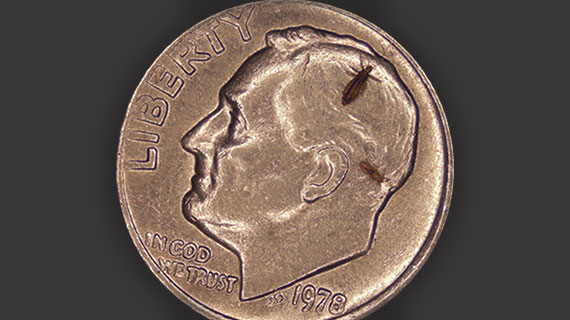
There are several types of lice, but the head louse, or Pediculus humanus capitis, is a parasitic insect that can be found on the human head and, rarely, the eyebrows and eyelashes.
LIFE CYCLE
There are three stages of the lice life cycle: egg, nymph and adult. The life cycle will never end until an effective treatment method like ours eliminates all three of them at one time.
ANATOMY
Head lice have six claws designed for them to crawl from hair strand to hair strand. These claws also allow them to move from head to head quickly.
HEAD TO HEAD
A head-lice infestation occurs when a female adult louse moves to a new human head and lays eggs (3-10 per day.) When those eggs hatch, the lice will most likely stay on that head throughout the entire lice life cycle. Unless the head is treated and all lice and eggs are killed and removed, the lice infestation will continue for however long the lice colony can survive.