
Do Boys Get Lice Too? What Every Parent Should Know
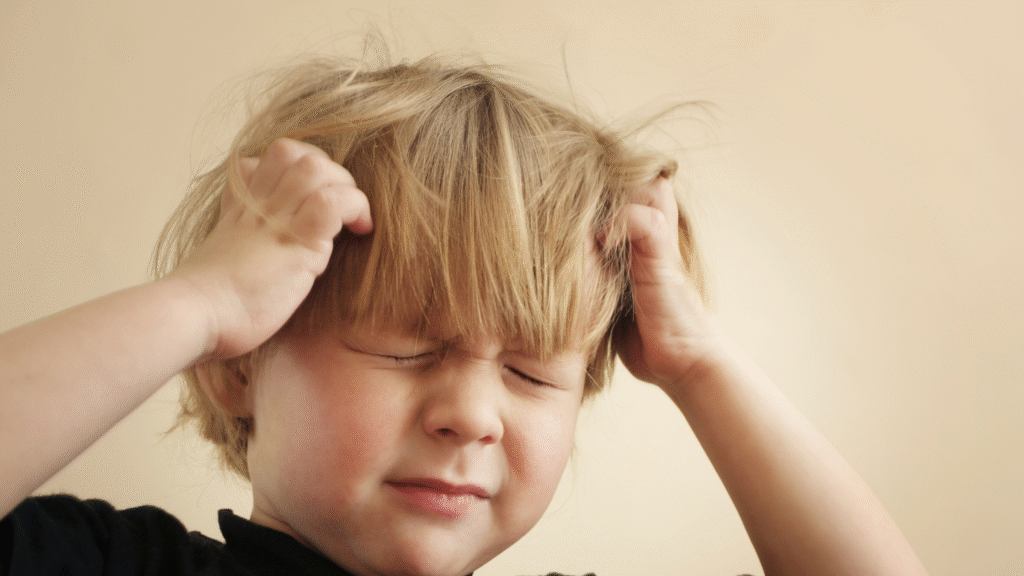
When parents think about head lice, the image that often comes to mind is long hair—ponytails, braids, and barrettes. Because of this, many assume that lice is mostly a concern for girls. But the truth is, boys can get lice just as easily as girls can.
Lice Don’t Discriminate by Gender
Head lice are equal opportunity pests. They spread through head-to-head contact and don’t care whether the scalp belongs to a boy or a girl. Lice feed on blood from the scalp and lay eggs along the hair shaft, close to the root. As long as there is hair—short or long—they have a place to live.
Why the Misconception?
The belief that boys are less likely to get lice may stem from a few common factors:
- Shorter hair: While lice can attach to short hair, it’s often easier to detect and treat, which may make infestations less obvious or seem less common.
- Social behavior: Some boys may engage in less prolonged close contact (like sharing hair accessories or hugging), but that’s not always the case—especially in sports, sleepovers, or school settings.
- Under-checking: Because parents may assume boys are at lower risk, they may be checked less frequently, leading to delayed detection.
Risk Factors to Know
Lice spread primarily through direct head-to-head contact, which happens in a variety of settings:
- Group sports and team huddles
- Sleepovers and camps
- School and daycare environments
- Shared hats and helmets
If a child is in close contact with someone who has lice, their gender does not protect them from getting it.
How to Check for Lice at Home
Regular head checks are one of the most effective ways to detect lice early—before it spreads to the rest of the household. Here’s how to check at home:
- Start with clean, dry hair. Good lighting helps, so position your child near a window or use a flashlight.
- Use a fine-toothed lice comb. Part the hair in small sections and comb from the scalp to the ends, focusing behind the ears and at the nape of the neck.
- Watch for lice and nits. Nits are small, oval-shaped eggs that stick to the hair shaft close to the scalp. Live lice are fast-moving and grayish-tan in color.
- Wipe the comb after each pass. A white paper towel can help you spot anything removed from the hair.
- Check thoroughly. Even if your child isn’t itching, a slow, methodical check can make all the difference in catching lice early.
If you’re unsure about what you’re seeing, a professional head screening can give you clarity and peace of mind.
What Parents Should Do
- Check all children equally. Regardless of hair length or gender, routine head checks are important—especially if there’s been exposure.
- Know the signs. Itching is common, but not always present. Look for small white or yellowish eggs near the scalp and live lice close to the root.
- Use effective treatment. Whether at home with a DIY kit or in the clinic, the key is removing both lice and eggs completely. One missed nit can lead to a reinfestation.
Final Thoughts
Yes, boys get lice too—and they need the same level of attention and care as any other child. Routine checks, early detection, and proper treatment are essential for stopping the spread, no matter who it starts with.
If you’re ever unsure, Lice Clinics 805 is here with professional screenings and trusted support to help your family stay lice-free with confidence.